


Pipe Insulation Usage Areas
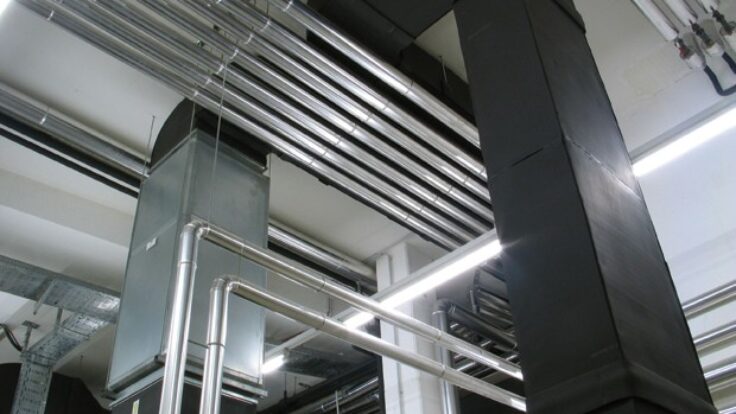
Pipe insulation, which is ideal for energy efficiency, is covered with special insulation materials and used in hot and cold liquid transitions. Pipe insulation usage areas are used in liquefied gas tanks, hot oil tanks and pipe systems. At the same time, as a system needed in steam-operated devices, it ensures both the protection of the external area and the stability of the temperature inside the pipe.
Pipe Insulation Usage Areas – In Which Areas Is It Applied?
Pipe insulation areas of use; Tank and pipe insulation materials are made of almost the same materials, but the insulation material also differs according to the degree of hot and cold. Hot oil tanks and hot oil pipes are generally among the usage areas. In pipe insulation, which is needed in the industrial field, the first aim is to maintain the temperature balance of the fluid passing through the pipe and to increase energy efficiency. The second important point is that it maintains the stable balance in liquefied gases and hot oil pipes. It ensures the prevention of accidents, spills or explosions as well as ensuring that the loss is less. Isolation is applied in a way to reduce the external effect.
How Many Degrees of Pipe Insulation Is Required?
Pipe insulation usage areas and degrees may differ for each area. By controlling the temperature balance for insulation, acting according to the boiler room under normal conditions, the highest and lowest degrees of the pipes are also tested. It is also ensured that dangerous situations that may occur in the case of the temperature over the boiler room being 70 degrees and the temperature reaching 90 and 100 degrees are prevented. Insulation systems, which are ideal for heat loss and energy use, are coated on the pipes. It will help to keep the temperature balance the same, and the use of materials will vary according to the coldness and temperature stability.
Pipe Insulation Areas and Benefits
Pipe insulation, which will increase energy efficiency, is very important for constant values. It should be fixed professionally so that the fixed value is not deviated and substances such as dangerous gases do not reach the explosion stage. The insulation material to be used should be balanced according to the lower and upper limit temperature values and should be mounted at a distance so that they do not affect each other in systems where two substances flow. Otherwise, insulation does not benefit.


